In the hustle and bustle of everyday life, finding a sense of stability can often feel elusive, especially for students navigating their educational journey.
Classroom routines offer a comforting structure that not only enhances learning but also plays a significant role in improving student wellbeing.
Establishing predictable patterns in the classroom can create a nurturing environment where students feel safe, engaged, and ready to thrive.
A gentle rhythm to the day
Imagine walking into a classroom where the air is filled with a sense of purpose. The students know what to expect, and there’s a comforting routine that eases them into the day. This predictability can be incredibly calming for young minds. When students understand the flow of their day, they are less likely to feel anxious or overwhelmed. A gentle rhythm allows them to focus on learning rather than worrying about what comes next.
Routines can start as simply as a morning meeting, where students gather to share their thoughts and feelings. This practice not only sets the tone for the day but also fosters a sense of community. Students become more aware of their peers, learning to listen and empathize. In this way, routines can cultivate emotional intelligence, an essential aspect of overall wellbeing.
Building resilience through structure
Life is full of unexpected twists and turns, and learning to navigate these changes is an important skill. Classroom routines can help students build resilience by providing a stable foundation. When they know what to expect, they can approach challenges with a sense of confidence. For instance, a regular time dedicated to problem-solving or creative thinking can empower students to tackle difficult tasks head-on, knowing that they have the support of their routine.
Moreover, routines can help students develop time management skills. By following a structured schedule, they learn to allocate their time effectively between different subjects and activities. This practice not only aids in academic success but also fosters a sense of autonomy. Students who feel in control of their time are more likely to experience reduced stress levels, contributing to their overall wellbeing.
Fostering connections and community
In a world that often feels disconnected, classroom routines can help foster genuine connections among students. When routines include collaborative activities, such as group projects or peer discussions, students learn to rely on one another. This sense of interdependence is crucial for their social and emotional development. They discover the value of teamwork, learn to appreciate diverse perspectives, and build friendships that can last a lifetime.
Additionally, routines that encourage regular check-ins or sharing circles create a space for students to express their feelings and experiences. This practice cultivates a supportive environment where students feel heard and validated. In turn, they are more likely to develop a positive self-image and a sense of belonging, both of which are vital components of wellbeing.
A small shift toward balance
Incorporating mindfulness into classroom routines can have a transformative effect on student wellbeing. Simple practices such as deep breathing exercises or short moments of reflection can help ground students and bring their focus back to the present moment. These small shifts promote emotional regulation, enabling students to manage stress and anxiety more effectively.
Mindfulness practices can also enhance concentration and engagement. When students take a few moments to pause and breathe, they often return to their tasks with renewed energy and clarity. This balance between relaxation and focus is essential for sustained learning, creating a harmonious atmosphere in the classroom.
Encouraging self-care through routines
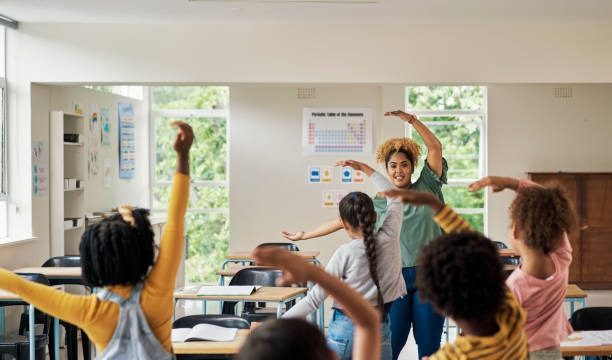
As the school day unfolds, routines can also serve as gentle reminders for students to prioritize self-care. For example, incorporating regular breaks into the schedule allows students to recharge and refocus. Whether it’s a short walk, stretching, or simply stepping outside for fresh air, these moments can significantly impact their mood and energy levels.
Furthermore, routines that include time for creative expression—be it through art, music, or writing—can be incredibly beneficial for emotional health. Encouraging students to explore their creativity provides an outlet for their feelings and thoughts. This not only enhances their academic experience but also nurtures their individuality and self-worth.
Creating a safe space for growth
Ultimately, the goal of classroom routines is to create a safe space for students to learn and grow. When they feel secure in their environment, they are more likely to take risks, ask questions, and engage in the learning process. This sense of safety is particularly important for students who may struggle with anxiety or self-doubt. By establishing a routine that emphasizes positivity and support, educators can help these students flourish.
Teachers play a crucial role in modeling the importance of routines. Their enthusiasm and commitment can inspire students to embrace the structure created in the classroom. By consistently reinforcing routines, educators help students internalize the benefits of stability, teaching them skills that extend far beyond the classroom walls.
The lasting impact of routines
As students move through their educational journey, the routines they experience can leave a lasting impression on their lives. The skills they develop—resilience, emotional intelligence, and the ability to manage stress—will serve them well in their future endeavors.
In conclusion, classroom routines are far more than just a series of tasks to complete; they are a vital component of student wellbeing. By fostering a sense of security, encouraging connections, and promoting self-care, routines create an environment where students can thrive. As we continue to recognize the importance of emotional and mental health in education, embracing the power of routines can lead to a brighter, more balanced future for students.