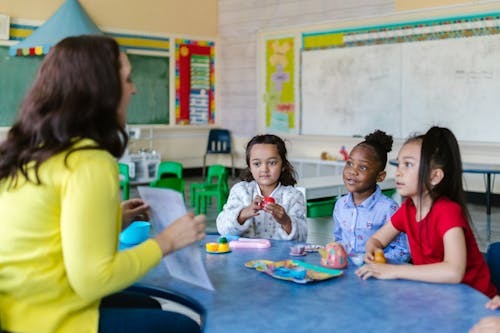
In the world of childhood development, exploration is a key ingredient for growth and learning.
As parents and caregivers, we often seek ways to inspire our little ones to engage with their surroundings in meaningful ways.
One delightful method that has gained popularity is the use of sensory bins.
These simple yet imaginative setups invite children to explore textures, colors, and materials, all while fostering creativity and curiosity.
Creating a sensory bin can be as easy as gathering a few items you already have at home. Picture a large container filled with rice, pasta, or sand, complemented by an assortment of tools and toys. The beauty of sensory bins lies not only in the materials used but also in the endless possibilities they present. Children can dig, pour, scoop, and sort, allowing them to engage their senses fully. The tactile experience of running fingers through grains or feeling the smoothness of small figurines can be incredibly soothing and stimulating at the same time.
A small shift toward balance can be achieved by introducing different themes to your sensory bins. For instance, a beach theme could encompass sand, seashells, and small beach toys, inviting children to create their own seaside adventures. Alternatively, a garden theme might feature soil, plastic insects, and miniature plants. These thematic bins not only spark imagination but also provide opportunities for storytelling and role-playing, enhancing cognitive development.
The act of exploring a sensory bin is inherently calming for many children. As they immerse themselves in the materials, they often find themselves in a state of flow, where time seems to stand still. This can be particularly beneficial for children who may feel overwhelmed by the fast-paced world around them. In these moments, they can focus on the simple joy of play, which is essential for their emotional well-being.
Moreover, sensory bins can foster social interaction when shared with siblings or friends. As children play together, they practice communication skills, learn to share, and develop cooperation. The communal aspect of sensory play encourages teamwork, as they negotiate how to use the materials and create shared stories. These interactions lay the groundwork for essential social skills that will serve them well in the future.
Incorporating sensory bins into your routine doesn’t have to be a daunting task. Even a few minutes of play can yield significant benefits. Setting aside a dedicated time each week for sensory exploration can become a cherished ritual, a moment to connect and unwind together. As children engage in this exploratory play, they are not just having fun; they are also building foundational skills in areas like fine motor development and problem-solving.
Creating a sensory bin can also be an opportunity for parents to engage in meaningful conversations with their children. As they play, parents can ask open-ended questions, encouraging children to express their thoughts and feelings about what they are experiencing. Simple prompts like, “What do you think will happen if we mix these two materials?” or “How does this feel in your hands?” can elicit imaginative responses and insights, deepening the parent-child bond.
As you design your sensory bins, consider the materials you choose carefully. Natural elements like dried flowers, pebbles, or even herbs can add a sensory richness that synthetic materials may lack. These natural items can engage children’s sense of smell and encourage them to connect with the environment in a more profound way. The beauty of sensory bins is that they can be tailored to the seasons, introducing children to the changing world around them. A winter bin might include faux snow, pinecones, and tiny snowflakes, while a fall bin could feature leaves, acorns, and orange grains of rice.
Another aspect worth exploring is the potential for sensory bins to be educational. You can incorporate numbers, letters, or shapes into the mix, allowing children to learn through play. For example, adding alphabet letters to a rice bin can turn playtime into a fun spelling practice session. This seamless integration of learning into play makes sensory bins a versatile tool for parents and educators alike.
As children grow and develop, the sensory bins can evolve with them. What starts as a simple container of rice may transform into a complex setup with more challenging materials, catering to older children’s needs. This adaptability ensures that sensory play remains relevant and beneficial throughout various stages of development.
Furthermore, engaging with sensory bins can also provide a moment of mindfulness for both children and parents. As you sit together, immersed in the textures and colors, there is an opportunity to slow down and be present. In our busy lives, these moments of connection can be grounding, reminding us of the beauty in simplicity and the importance of nurturing our relationships.
In conclusion, sensory bins offer a delightful way to inspire exploration and creativity in children. With their ability to engage the senses, promote social interaction, and facilitate learning, they represent a valuable addition to any playtime routine. By creating a safe, inviting space for exploration, you not only foster your child’s growth and development but also create lasting memories filled with joy and discovery. So, gather your materials, set up your sensory bin, and watch as your little ones embark on their own adventures of exploration and imagination.