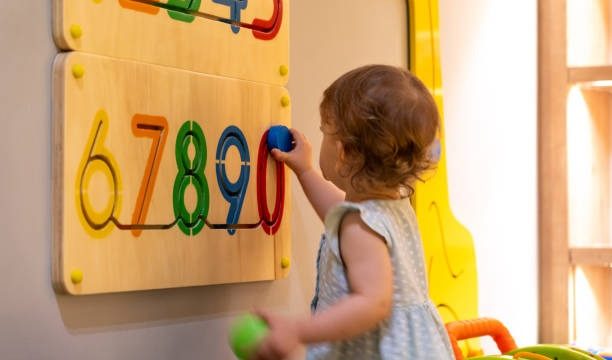
In a world that often feels fast-paced and overwhelming, the importance of playtime for children cannot be overstated.
Beyond being a source of joy, play is an essential part of child development.
It fosters creativity, nurtures social skills, and can even enhance cognitive abilities.
As parents and caregivers, finding ways to enrich this playtime can be a delightful journey, especially with the rise of smart toys that blend technology with traditional play.
The allure of smart toys lies in their ability to engage children’s imaginations while providing educational benefits. These toys often integrate interactive features that spark curiosity and promote active learning. From robots that teach coding through fun challenges to plush toys that respond to touch and voice, smart toys offer a unique avenue for creative exploration.
One of the most significant advantages of smart toys is their versatility. Children can engage with them in various ways, allowing for both independent play and collaborative experiences with friends or family. This adaptability encourages kids to think critically and solve problems as they navigate different scenarios. For instance, a child might use a coding robot to complete a task alone, then later invite a sibling to join in a cooperative challenge. Such interactions not only enhance learning but also build social bonds.
A gentle introduction to technology can also help children develop digital literacy skills early on. In an era where technology is increasingly integrated into daily life, familiarizing children with smart toys can ease their transition into the digital world. This doesn’t mean replacing traditional toys or outdoor play; rather, it’s about finding a harmonious balance. Smart toys can serve as an engaging supplement to more conventional forms of play, offering new dimensions to exploration.
As children engage with smart toys, they often discover a world of storytelling and imagination. Many of these toys come with narrative-driven adventures, allowing children to immerse themselves in different characters and scenarios. This element of storytelling not only enhances creativity but also encourages children to express their thoughts and feelings. They might invent their own stories inspired by the characters they interact with, leading to a rich tapestry of imaginative play.
While smart toys can provide a wealth of benefits, it’s essential to approach their use mindfully. Setting boundaries around screen time and ensuring that play remains balanced is vital. Parents can create an environment where technology complements play rather than dominates it. Encouraging outdoor activities, arts and crafts, or simple family games alongside smart toys helps maintain a well-rounded play experience.
The connection between play and learning is profound. Research shows that children learn best when they are actively engaged and having fun. Smart toys can turn abstract concepts into tangible experiences. For example, a child learning about shapes or colors can interact with a smart toy that responds differently to various inputs, reinforcing those lessons in an enjoyable way. This playful approach to education fosters a love for learning that can last a lifetime.
As we navigate the evolving landscape of play, it’s crucial to remember that the essence of playtime is rooted in joy and exploration. Smart toys are tools that can enhance this experience, but they should never overshadow the simple pleasures of traditional play. Whether it’s building a fort, playing pretend, or engaging in a favorite board game, these moments are just as vital for a child’s growth.
Creating a nurturing environment for creative play often means embracing the unexpected. Children are naturally curious, and allowing them the freedom to explore their interests can lead to remarkable discoveries. Smart toys can serve as a catalyst for this exploration, igniting a spark of creativity that may lead to new hobbies or passions.
As parents, we can encourage this journey by being involved in playtime. Joining in on the fun not only strengthens bonds but also provides opportunities for shared learning experiences. Whether it’s coding a robot together or engaging in a creative storytelling session, these moments become cherished memories that enrich family life.
Incorporating smart toys into playtime can also be a delightful way to introduce children to concepts like teamwork and empathy. Many smart toys are designed to be used in groups, promoting collaboration and communication. These interactions can help children learn to navigate social dynamics, developing skills that will serve them well throughout life.
Ultimately, the goal is to create a balanced approach to play that honors both the benefits of technology and the timeless joys of traditional play. Smart toys can certainly enhance creativity, but they should complement, not replace, the imaginative freedom that comes from unstructured play.
As we look to the future, the possibilities for creative play with smart toys are exciting. Innovations continue to emerge, offering fresh ways for children to learn and grow. By embracing these tools mindfully, we can help cultivate a generation that values creativity, collaboration, and curiosity.
In the end, nurturing a love for play in all its forms is one of the greatest gifts we can give our children. Smart toys can enhance this experience, but the heart of play remains in the joy of discovery and the connections we forge along the way. So, let’s celebrate playtime as a beautiful blend of technology and imagination, creating a world where every child can thrive.