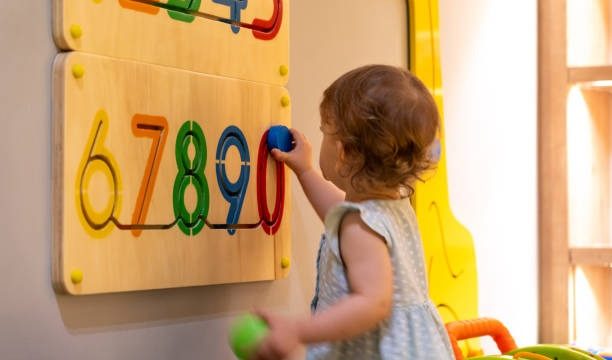
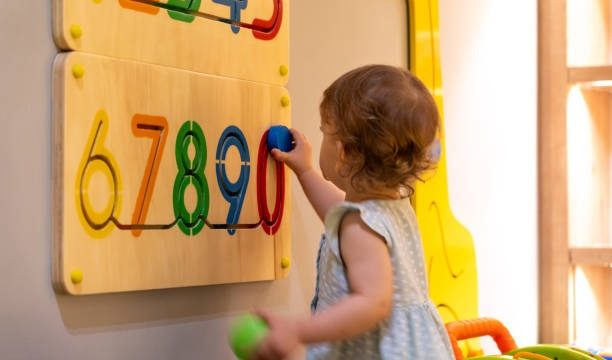
Learning numbers can be a delightful journey, especially when approached with creativity and warmth.
Whether you are a parent looking to teach your little ones or someone who simply wants to brush up on your numerical skills, there are many enjoyable ways to explore numbers right from the comfort of your home.
This article offers some easy and engaging methods to help you or your loved ones learn numbers in a friendly, relaxed atmosphere.
Creating a numbers-friendly environment can make a significant difference. Start by incorporating numbers into daily life. For instance, as you go about your day, point out numbers on clocks, calendars, and even house numbers. This casual exposure helps reinforce the connection between numbers and their real-world applications. When your child sees the number of the house next door or the time on a clock, they begin to understand that numbers are not just abstract symbols but part of everyday life.
Bringing numbers into playtime can also be a wonderful strategy. Choose games that naturally incorporate counting or numerical recognition. Simple board games often require players to count spaces, while card games can introduce number recognition in a fun, competitive way. Even classic games like hopscotch can be adapted to include counting as you jump from square to square. This playful approach makes learning numbers feel less like a chore and more like an enjoyable activity.
Storytime offers another lovely opportunity to engage with numbers. Many children’s books incorporate numbers into their stories, whether through counting animals, objects, or events. Reading these books together not only builds a love for storytelling but also introduces numerical concepts in a gentle, memorable way. You can even create your own stories that involve numbers, allowing your child to become an active participant in the learning process.
Incorporating art into your number-learning adventures can also be beneficial. Set up a craft session where numbers take center stage. You might create a colorful number collage using cut-out shapes or draw pictures that represent different quantities. For example, if you’re working with the number three, you could draw three apples or three stars. This hands-on approach helps solidify the concept of numbers through creativity and expression.
Cooking together is another fantastic way to weave numbers into daily life. Recipes often require measuring ingredients, which can introduce concepts like fractions and quantities in a practical context. As you measure out cups of flour or count eggs, you can talk about the numbers involved in the process. This not only makes learning numbers tangible but also creates opportunities for bonding and collaboration in the kitchen.
Music is a universal language that can also aid in learning numbers. Many songs for children incorporate counting, making it easy to learn numbers through melody and rhythm. Singing along to these catchy tunes can help reinforce numerical concepts in a fun and memorable way. You can also create your own counting songs, turning everyday activities into musical learning experiences.
Exploring the world of technology can add an exciting dimension to number learning. There are many educational apps and online resources designed to make learning fun and interactive. Look for programs that offer games focused on number recognition, counting, and basic math skills. These digital tools can complement your hands-on activities, providing a well-rounded approach to learning.
Gardening can also serve as a unique way to teach numbers. If you have a garden or even a few pots on a balcony, involve your children in planting and caring for plants. You can count seeds as you plant them or measure the growth of your plants over time. This not only teaches numbers but also instills a sense of responsibility and appreciation for nature.
Engaging in conversations about numbers in everyday scenarios can deepen understanding as well. When shopping, discuss prices, quantities, and discounts. When budgeting for groceries, involve your child in calculating totals and comparing prices. This practical application of numbers helps them understand their relevance in real life, making the learning process more meaningful.
Encouraging a curious mindset is essential in any learning journey. Invite questions and exploration as you navigate the world of numbers together. If your child asks about a particular number or its significance, take the time to explore that inquiry. This not only fosters a love for learning but also helps develop critical thinking skills.
As you embark on this numerical adventure, remember that patience and encouragement go a long way. Celebrate small milestones and progress, no matter how minor they may seem. Each step taken in understanding numbers is a step toward greater confidence and mastery. By creating a warm, supportive environment, you can help instill a positive attitude toward learning that will last a lifetime.
In conclusion, learning numbers at home can be a rich and enjoyable experience. By incorporating numbers into daily life, play, art, music, cooking, and technology, you can create a multifaceted approach to understanding numbers. Embrace the journey with warmth and creativity, allowing curiosity to guide your exploration. With these gentle strategies, you or your loved ones will find that learning numbers can be both fun and fulfilling, setting the stage for a lifelong appreciation of mathematics and its role in our world.